

In the fast-paced world of gaming, we are constantly pushing boundaries and striving to create more immersive and engaging experiences for players. For developers, this means finding innovative ways to design games that captivate audiences and keep them coming back for more. One common feature that has become synonymous with gaming is the progress bar – a visual indicator that shows players how far they have advanced in a game.
But what if I told you it is possible to design games without progress bars? Is it even feasible to create a compelling gaming experience without this familiar element? In this article, we will explore best server hosting minecraft reddit the concept of designing games without progress bars and discuss whether it is a viable option for developers looking to push the boundaries of game design.
The Role of Progress Bars in Gaming
Progress bars have become a staple in gaming, serving as a visual representation of a player’s advancement through a game. From loading screens to skill trees and level progression, progress bars are used to provide players with a sense of accomplishment and motivation to keep playing. They serve as a way to track progress and provide feedback on how well a player is performing in the game.
In addition to tracking progress, progress bars also serve as a way to gate content and provide a sense of structure to a game. By showing players how far they have advanced, progress bars help guide players through the game and encourage them to continue playing to reach the next milestone.
Why Design Without Progress Bars?
While progress bars are a useful tool for tracking progress and providing feedback to players, there are several reasons why some developers may choose to design games without them. One of the main reasons is to create a more immersive and seamless gaming experience. Progress bars can break the flow of gameplay and distract players from the game world, pulling them out of the experience. By removing progress bars, developers can create a more immersive experience that keeps players engaged and focused on the game world.
Additionally, progress bars can create a sense of artificiality in games, as they make players constantly aware of their progression and can make the game feel like a series of tasks to be completed rather than an immersive experience. By designing games without progress bars, developers can create a more organic and natural progression system that feels more integrated into the game world.
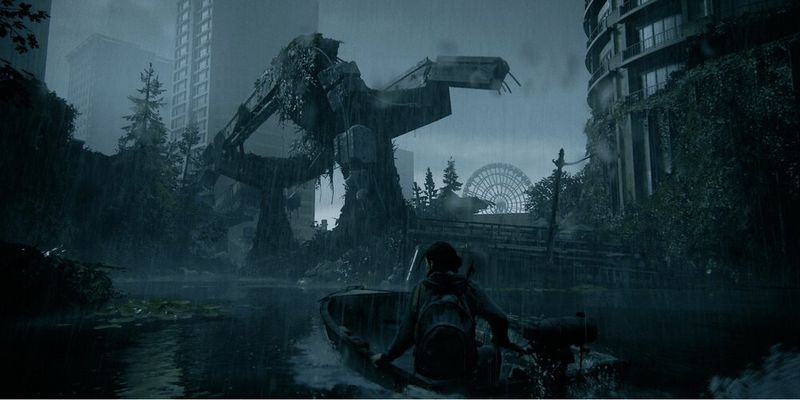
Another reason to design games without progress bars is to encourage exploration and experimentation. Progress bars can limit players’ freedom to explore and try out different strategies, as they are constantly focused on advancing through the game. By removing progress bars, developers can encourage players to explore the game world, try out new tactics, and discover hidden secrets without the pressure of constantly advancing through the game.
Designing Without Progress Bars: Is It Possible?
Now that we have explored the reasons why some developers may choose to design games without progress bars, let’s take a closer look at whether it is possible to create a compelling gaming experience without this familiar element. The key to designing games without progress bars lies in creating a natural and engaging progression system that is seamlessly integrated into the game world.
One way to design games without progress bars is to use subtle cues and hints to guide players through the game world. Instead of relying on a visual indicator like a progress bar, developers can use environmental cues, dialogue, and sound effects to subtly guide players through the game world and provide feedback on their progress. For example, changes in the environment, such as the appearance of new enemies or obstacles, can signal to players that they are advancing through the game.
Another approach to designing games without progress bars is to use dynamic difficulty systems that adjust the challenge level based on a player’s performance. By dynamically adjusting the difficulty of the game, developers can create a more personalized experience for players and provide a sense of progression without the need for a progress bar. For example, if a player is struggling with a particular level, the game can automatically adjust the difficulty to make it easier and help the player progress through the game.
In addition to these approaches, developers can also use narrative and storytelling techniques to create a sense of progression in games without progress bars. By weaving a compelling narrative that unfolds as players progress through the game, developers can create a sense of accomplishment and advancement without relying on a visual indicator like a progress bar. The story can serve as a motivator for players to continue playing and provide a sense of purpose to their actions in the game world.
Conclusion
In the world of gaming, progress bars have become a familiar and often essential element of game design. However, as developers continue to push the boundaries of game design and create more immersive and engaging experiences for players, some are questioning the necessity of progress bars in games.
While progress bars can be a useful tool for tracking progress and providing feedback to players, designing games without them is indeed possible. By using subtle cues, dynamic difficulty systems, and narrative techniques, developers can create compelling gaming experiences that engage players without the need for a progress bar. Ultimately, the key to designing games without progress bars lies in creating a natural and engaging progression system that is seamlessly integrated into the game world, providing players with a more immersive and rewarding gaming experience.